
Nearly 30 Years Later, Tupac Shakur’s Murder Case Reaches a Guilty Verdict
By Jalen Cross · 2026-09-10
Nearly three decades after Tupac Shakur was fatally shot in Las Vegas, the murder case has reached a guilty verdict, bringing one of hip-hop’s longest-running criminal cases back into focus.
For almost 30 years, the murder of Tupac Shakur existed somewhere between criminal investigation, hip-hop history and mythology.
Now a jury has delivered a verdict.
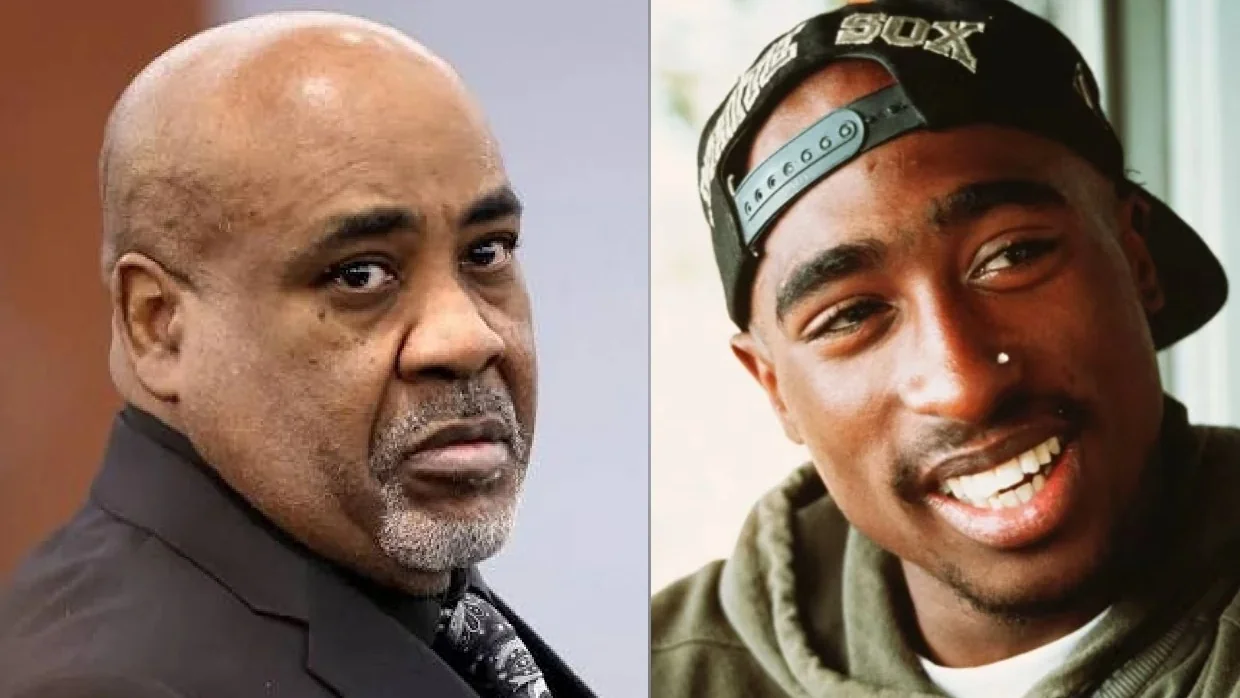
Duane “Keffe D” Davis was found guilty of first-degree murder in connection with the 1996 drive-by shooting that ultimately killed Tupac. Prosecutors argued that Davis helped organize the retaliation that led to the shooting, even though they did not accuse him of personally firing the weapon.
The verdict closes one chapter in a case that followed hip-hop for nearly three decades.
Tupac was shot in Las Vegas on September 7, 1996, after attending a Mike Tyson fight. He died six days later at the age of 25.
In the years that followed, the unanswered questions surrounding his death became part of music culture. Documentaries were produced, books were written, interviews were dissected and countless theories circulated among fans.
Somewhere along the way, it became easy to forget that underneath the mythology was the death of a young man.
Tupac never reached 30.
He never experienced the streaming era. He never saw social media transform hip-hop. He never got to watch rap become one of the most dominant forms of entertainment in the world.
Most importantly, he never had the opportunity to become an older artist capable of looking back on the chaos of his twenties.
Hip-hop often celebrates the intensity of the 1990s, and there is plenty worth celebrating. The music was groundbreaking. The personalities were enormous. Competition pushed artists creatively.
But that era also came with a cost.
Real street conflicts became intertwined with entertainment. Personal disagreements sometimes became public spectacles. Music-industry rivalries were allowed to mix with situations where the consequences were much more serious than record sales.
Nearly 30 years later, Tupac's catalog remains powerful because he left behind music capable of speaking to generations that never saw him alive.
That is legacy.
But there is another side of legacy that hip-hop should discuss more often.
Imagine what Tupac might have created at 35.
At 45.
At 55.
Artists don't have to die young to become legends.
Hip-hop doesn't need fewer competitors or less aggressive music. Competition is part of the culture.
What it needs is fewer funerals.
The guilty verdict may answer one legal question surrounding Tupac's death, but the larger lesson remains.
Protect the music.
Protect the culture.
And protect the people who are still here to create it.
Jalen Cross
BTS Music Group — Join the Movement.